Stoicism vs Taoism
Stoicism and Taoism both deliver freedom from anxiety and peace with what is — but Stoicism arrives through reason and disciplined judgement aligned with a rational cosmos, while Taoism arrives through yielding, simplicity, and harmony with the effortless flow of nature (wu wei).
| Dimension | Stoicism | Taoism |
|---|---|---|
| Core practice | Discipline of judgement and desire | Wu wei — effortless, non-forcing action |
| View of nature | A rational, ordered whole (the logos) | A spontaneous, wordless way (the Tao) |
| Primary method | Reason, examination, deliberate virtue | Yielding, simplicity, unlearning |
| On effort | Strive virtuously within your control | Accomplish more by forcing less |
| On the self | Strengthen and govern the rational self | Soften the ego; merge with the flow |
The same destination
Both traditions aim at a life undisturbed by craving, fear, and the need to control outcomes. A Stoic and a Taoist sage would look similarly unbothered by misfortune — but they reached that calm by opposite routes.
Reason vs flow
The Stoic gets there by thinking clearly: separating what is "up to us" from what is not, and correcting faulty judgements. The Taoist gets there by thinking *less*: dropping rigid categories and ambition, trusting the way things naturally move. One sharpens the mind; the other quiets it.
Striving vs yielding
Stoicism is active — it asks you to *strive* at virtue within your control. Taoism is receptive — wu wei means accomplishing through non-forcing, like water that wears down rock by yielding. "Nature does not hurry, yet everything is accomplished."
The citadel vs the water
The recurring Stoic image is the inner citadel — a self fortified by reason against fortune. The recurring Taoist image is water — formless, soft, and therefore unstoppable. The first resists; the second adapts. Both are strategies for not being broken by the world.
The verdict
These two pair unusually well. Stoicism gives you the discipline to hold your ground; Taoism gives you the suppleness to stop fighting battles that don't need fighting. A practical life can use the Stoic citadel for what genuinely matters and the Taoist river for everything else.
Frequently asked
- Are Stoicism and Taoism compatible?
- Highly. They share the goal of equanimity and freedom from craving, differing mainly in method — reason vs yielding. Many practitioners combine Stoic discipline with Taoist non-forcing.
- What is the main difference between Stoicism and Taoism?
- Stoicism reaches peace through active reason and disciplined judgement; Taoism reaches it through receptive yielding and wu wei (non-forcing). One sharpens the mind, the other quiets it.
- Which is easier to practise?
- It depends on temperament. Goal-driven, analytical people often find Stoicism natural; those drained by striving often find Taoism's "do less" more freeing. Neither is objectively easier.
Explore further
More comparisons
Keep reading
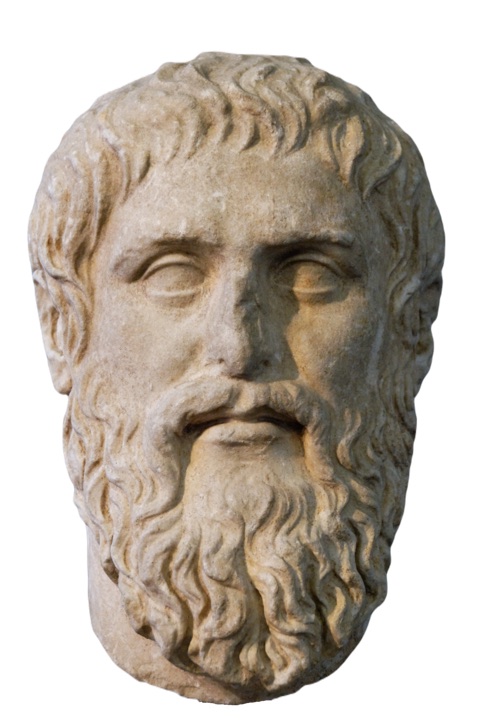
Plato
Almost every later debate about reality, justice, or beauty begins as a footnote to him.
Go deeper
Affiliate links. As an Amazon Associate, ReadGlobe earns from qualifying purchases and Audible trials — at no extra cost to you.
The book behind this idea: Meditations by Marcus Aurelius. Hear the whole thing free — start an Audible trial and your first audiobook is on the house.
Read the full summary of Meditations →
More canonical picks:
- Thinking, Fast and Slow — Daniel Kahneman
- The Art of Thinking Clearly — Rolf Dobelli
- The Great Mental Models, Volume 1 — Shane Parrish
- Poor Charlie’s Almanack — Charlie Munger
- Super Thinking — Gabriel Weinberg & Lauren McCann
- Seeking Wisdom — Peter Bevelin
Primary sources: Stoicism (Wikipedia) · Taoism (Wikipedia)
Editorial synthesis © ReadGlobe 2026, drawing on the Meditations, the Tao Te Ching, and the Stanford Encyclopedia of Philosophy. · Last reviewed 2026-05-29.